

What is Matcha?
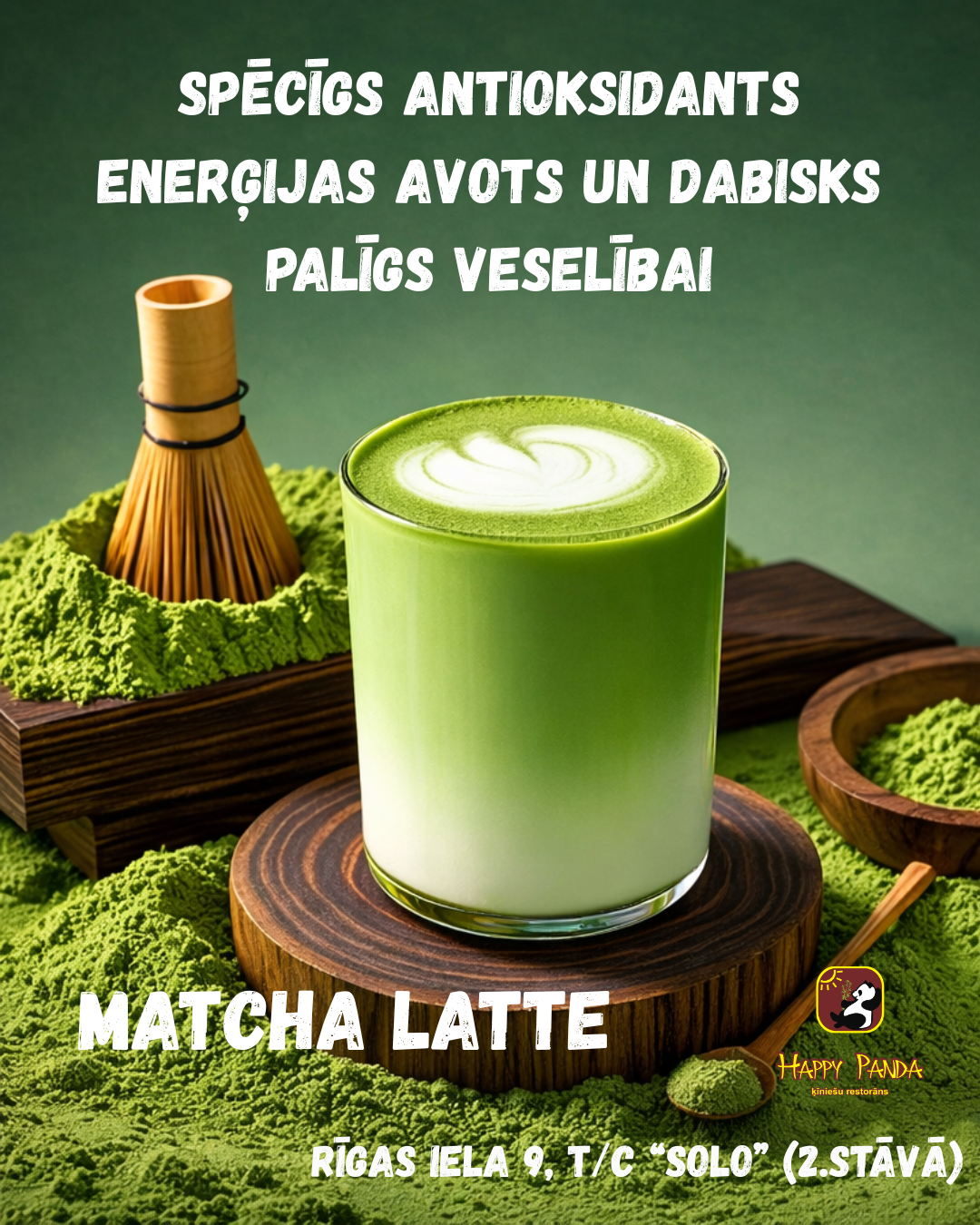
What is Matcha?
Matcha (Japanese: 抹茶, matcha) is a finely ground powder of the highest quality green tea leaves. Unlike regular tea, when drinking matcha, the entire leaf is ingested, providing a powerful dose of antioxidants, long-lasting energy, and calming alertness.
Where does matcha come from?
Matcha has its origins in Tang Dynasty China, where the methods of steaming and grinding tea into a powder were introduced. During the Song Dynasty, these processes were perfected, and in 1191, the Buddhist monk Eisai brought Camellia sinensis seeds to Japan and planted them in Kyoto. In Japan, matcha became not only a drink, but also an integral part of Zen Buddhist practice, enhancing meditation and becoming an integral part of the tea ceremony chanoyu.
Matcha Health Benefits
Matcha tea has three times more antioxidants than regular green tea and is rich in catechins and polyphenols, which help protect cells from damage. Its L-theanine improves alertness and reduces stress, and the combination of caffeine and L-theanine provides a long-lasting “calm energy” effect.
Matcha tea may help support cardiovascular health by lowering blood pressure and cholesterol levels. The compound EGCG has been linked to cancer prevention by affecting cell proliferation. The fiber in the tea strengthens the digestive system, improves the composition of the gut microbiota, and helps support liver function.
Template Template
Template
Template

Chinese restaurant

Copyright © Happy Panda 2026. All rights reserved. Design by LatInSoft, mājas lapas optimizācija - siteup.lv.